When the accumulation of hardships becomes too difficult to metabolize on our own.

Approach to Mental Health

I approach each therapeutic relationship with openness, curiosity, and deep respect for the complexity of each person’s story. No two people suffer in the same way, and no two paths through life are identical. Together, we will have honest conversations about your experiences, struggles, relationships, and the patterns that may be keeping you stuck.

Growth often requires us to look directly at parts of ourselves we may have avoided, defended against, or never fully had the space to understand. Therapy is not always comfortable, but meaningful change rarely happens only within the safety of the therapy hour. I encourage active reflection and engagement beyond our sessions as part of the work of becoming more fully yourself.

I view therapy as a shared human experience. My role is not to tell you who you are, but to walk alongside you for a period of time while helping you better understand yourself, your history, and the emotional forces shaping your life. Just as every mountain has its own terrain, every person’s journey carries its own challenges, contradictions, and possibilities. I tailor my approach to the individual rather than forcing people into rigid formulas or techniques.

My intention is to create an environment where aspects of yourself that may have been silenced, neglected, or underdeveloped can begin to emerge and take shape. I believe many present struggles are rooted in relational histories, unconscious patterns, losses, and adaptations that once served a purpose but may no longer fit the life you are trying to live. We often cling so hard only to avoid the pain of letting go.

My work is informed by a range of influences, including modern psychodynamic theory (particularly the work of Nancy McWilliams and the Psychodynamic Diagnostic Manual), Existentialism, Interpersonal Psychotherapy, Cognitive Behavioral Therapy with an emphasis on Schema Therapy, EMDR, Buddhist Psychology, Eastern Philosophy, Ketamine-Assisted Psychotherapy, Feminism, psychedelic medicine, and Social Constructionism.

I was trained within the reductionistic traditions of psychological science, yet over time, I have found equal value in adapting those frameworks to the unique multicultural experiences, relational histories, and lived realities of the individual sitting with me in the room. While theories can provide useful maps, I place greater importance on authenticity, collaboration, and genuine human connection than rigid allegiance to any single model.

I enjoy working with adults, older adults, and individuals willing to engage deeply with questions surrounding identity, meaning, suffering, mortality, and personal transformation.

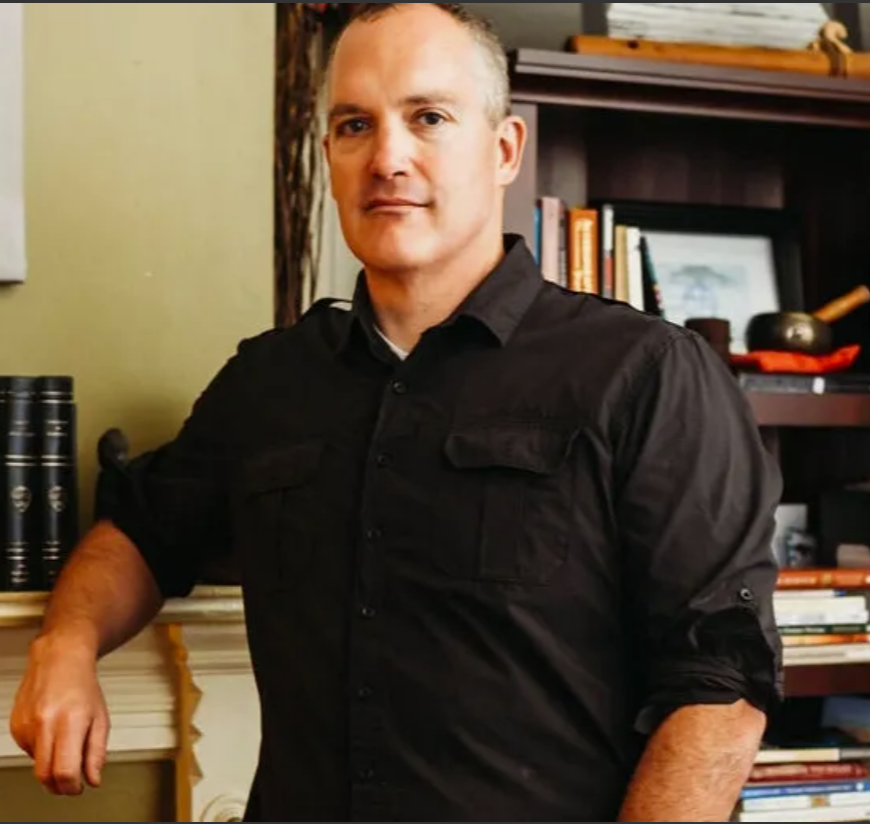
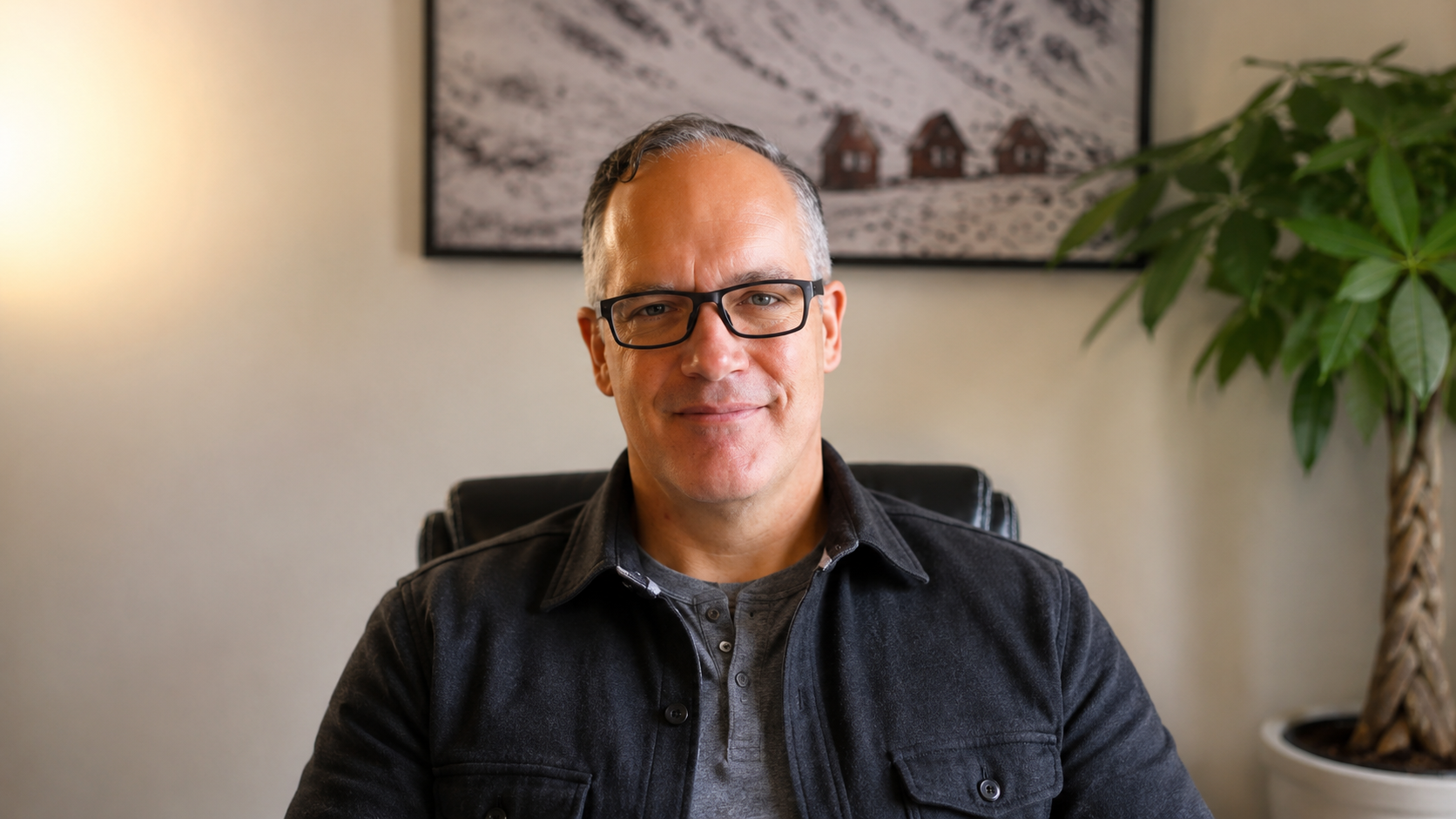
Dr. Preston

Psychologist Fort Collins, CO

Dr. Patrick Preston | Psychologist in Fort Collins

I find meaning in helping people heal after hardship. Life confronts us with moments that can shake our sense of ground. Sometimes the accumulation of disappointments becomes too difficult to metabolize on our own. Even outwardly successful people can carry a quiet feeling that something is not right. Why do we hide from these goldmines?

Therapy, to me, is a deeply human process of slowing down, making contact with ourselves, and untangling the emotional patterns, histories, and beliefs shaping our lives. Much of our sense of self is developed outside our rational and conscious mind. I find fulfillment in helping people move through suffering while reconnecting with vitality and a greater sense of freedom. I believe people often carry far more potential than they realize. I look for the unique spark that makes you, you.

My journey into psychology began while studying Psychology and African American Studies at the University at Buffalo (SUNY). Early in my career, I worked at a residential facility for traumatized children, where I witnessed how profoundly relationships, family systems, culture, and environment shape our developing sense of self. After earning my undergraduate degree, I worked as a case manager supporting adults with severe mental illness transitioning from state hospitals and prisons back into the community. Those experiences deepened my understanding of human resilience and how biology, socioeconomic limits, and temperament can complicate healing.

I later earned my doctorate in Clinical Psychology from Antioch University of New England, where I immersed myself in the philosophy, research, and practice of professional psychology. Through my clinical training, I developed an interpersonal, existential, and psychodynamic approach to therapy. Over time, I have come to believe that people make more sense when we understand them deeply within the context of their histories, relationships, defenses, losses, and adaptations.

During graduate school, I served as Director of Mental Health Services at an AIDS Service Organization. This work profoundly shaped my understanding of homophobia, discrimination, identity, grief, mortality, and the psychological impact of social rejection and stigma. It also deepened my appreciation for the courage required to face illness, uncertainty, and death. I remain humbled by the opportunity to sit with people as they navigate existential suffering and questions surrounding meaning, loss, and mortality.

I completed my postdoctoral training at the counseling center at the University at Buffalo, where I worked with individuals and groups and supervised developing clinicians. I later spent eight years as a staff psychologist within a college counseling center, working with a diverse student population and advocating for underserved and marginalized communities. Much of this work involved helping individuals disentangle themselves from shame, rigid family systems, extreme religiosity, identity confusion, and internalized criticism. Many people intellectually understand their struggles long before they emotionally feel free from them.

While working at the University of West Florida, I also developed violence prevention programming focused on engaging men as allies against sexual violence. This work expanded my understanding of how culture, gender expectations, power, and identity shape behavior and relationships. It strengthened my commitment to empathy, accountability, and compassionate advocacy. I am a staunch advocate for men being allies against violence.

From 2011 to 2023, I operated a successful private practice in Pensacola, Florida. Although I consider myself a generalist, I became known for trauma-informed treatment and for providing continuing education and professional training to therapists and counselors.

My work today is informed by modern psychodynamic theory, existential psychology, interpersonal psychotherapy, schema-focused cognitive therapy, EMDR, Buddhist psychology, Eastern philosophy, Somatic Therapies, ketamine-assisted psychotherapy, psychedelic medicine, Feminism, and social constructionist thought. I am trained in Eye Movement Desensitization and Reprocessing (EMDR) and in Ketamine-Assisted Therapy (KAP). I was trained within the scientific traditions of psychology, yet I have also learned the limitations of purely reductionistic models of human suffering. Every person carries a unique cultural background, personality structure, relational history, and way of making meaning. While theories can offer valuable maps, I place greater importance on authenticity, collaboration, curiosity, and genuine human connection than rigid adherence to any single framework.

Outside of therapy, meditation, yoga, music, nature, and reflective practices remain important parts of my self-care. I believe healing often involves learning how to relate differently to ourselves, our attachments, our suffering, and the uncertainty inherent in being human.

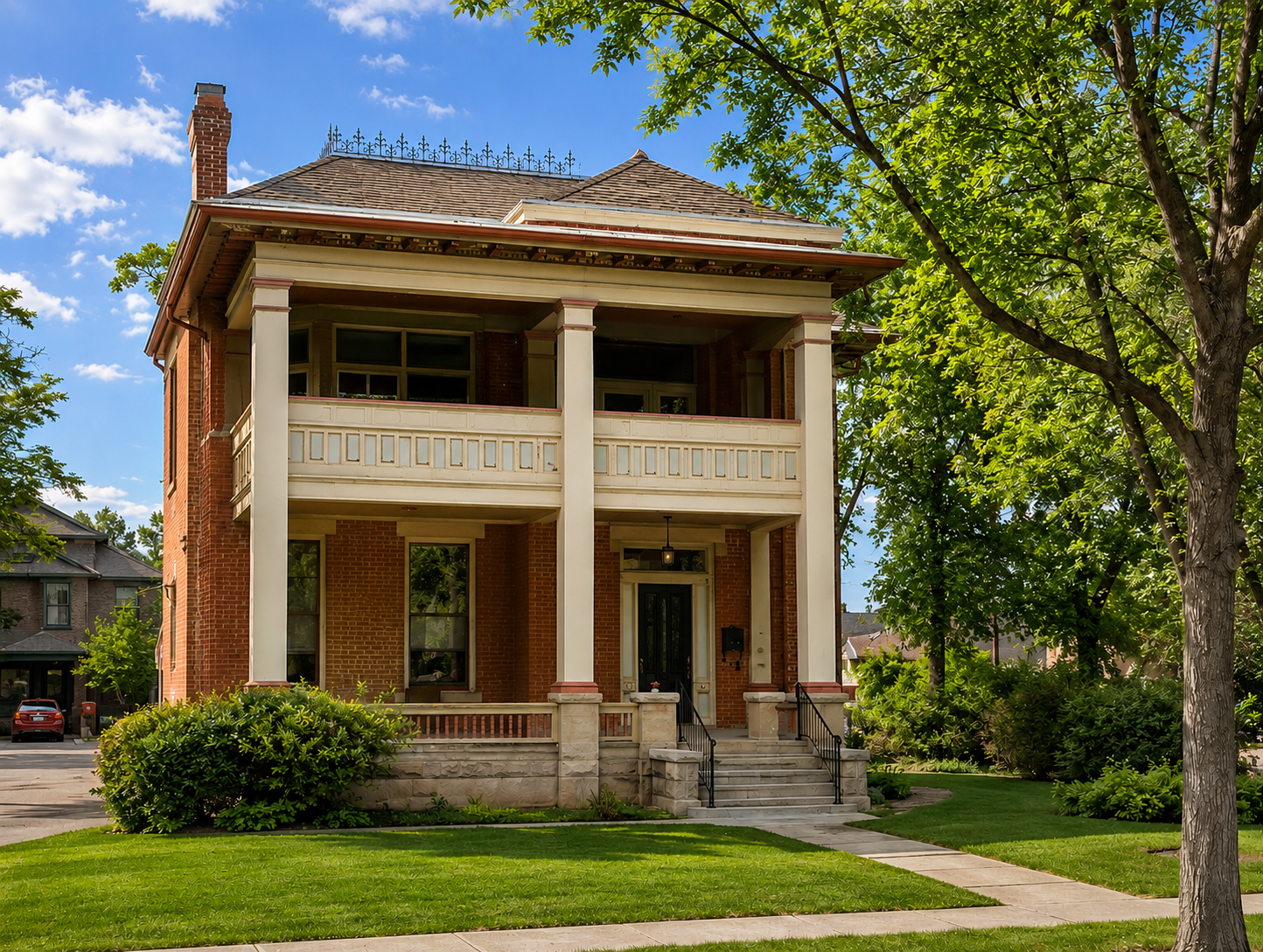
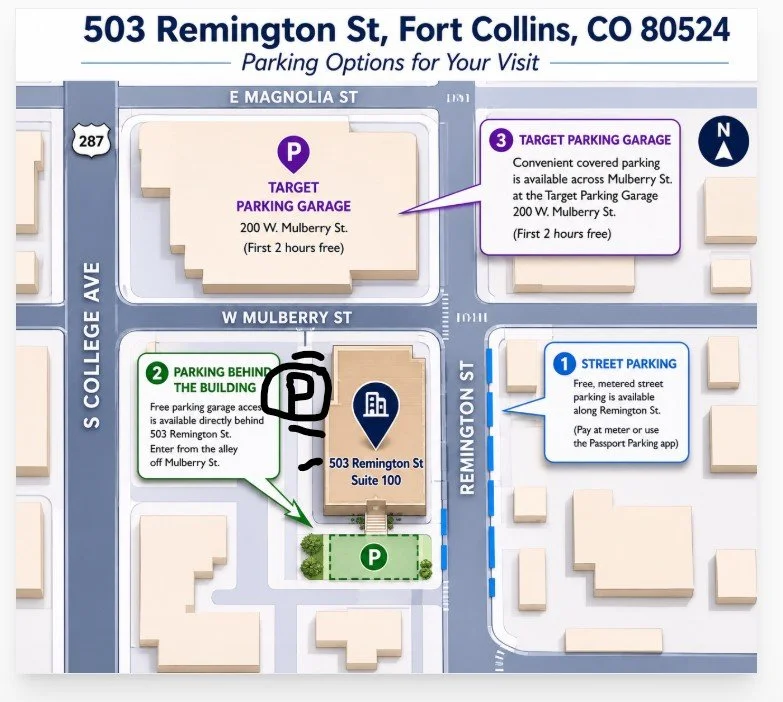
My move to Fort Collins was driven by a desire for deeper alignment with both community and lifestyle, as well as an interest in the evolving frontier of psychedelic and integrative mental health treatment. I currently offer therapy both in person and virtually.

In-Person or Virtual

Teaching philosophy

My approach to teaching is grounded in the belief that learning is not simply about acquiring knowledge. It is also about becoming more fully human. I see education as a relational process where curiosity, reflection, emotional honesty, and critical thinking can coexist. Playfulness in the classroom makes learning interactive and full of potential.

In the classroom, I aim to create an environment where students feel both supported and challenged. I encourage learners to engage theory not as abstract material to memorize, but as something lived, questioned, and personally meaningful. I invite students to reflect on how their histories, identities, relationships, and experiences shape the way they understand themselves and others.

I also believe that each individual’s life path is shaped by multiple cultural, relational, historical, and social influences. Because of this, I see teaching as helping students recognize the complexity of human experience and preparing them to thoughtfully bring the fullness of their own paths into the implementation of service, care, leadership, and professional practice. I encourage students to consider how their identities, privileges, struggles, communities, and lived experiences influence the ways they understand helping, healing, and responsibility.

My teaching emphasizes both the contributions and the limitations of science. I value scientific inquiry, critical research, and evidence-informed practice, while also recognizing that knowledge is always interpreted within cultural, political, and relational contexts. I encourage students to think carefully about the nuanced application of theory and research, particularly in relation to a person’s position in the world, including culture, power, identity, access, and lived experience. I believe ethical practice requires more than technical expertise. It requires humility, discernment, and the willingness to remain attentive to complexity and context.

Because much of psychology involves vulnerability, uncertainty, and complexity, I try to teach in a way that honors nuance rather than rushing toward easy answers. I value humility, compassion, cultural responsiveness, and ethical reflection. I believe growth often emerges through dialogue, self-inquiry, and the courage to remain open to discomfort and change.

Above all, I hope students leave my courses not only with stronger clinical and academic skills, but with a deeper capacity for presence, self-awareness, and authentic human connection.